Innovative structural design
Design, Analysis, and Execution of Mega Engineering Projects: Bridges and Dams in London and Europe
The design, analysis, and execution of mega bridge and dam projects in London and Europe represent the pinnacle of civil engineering, combining cutting-edge technology, rigorous scientific analysis, and sophisticated project management to overcome unique environmental, urban, and technical challenges.
Part 1: Mega Bridge Projects
Design Philosophy & Key Examples:
European bridge design balances iconic aesthetics, structural innovation, and minimal environmental footprint.
· London:
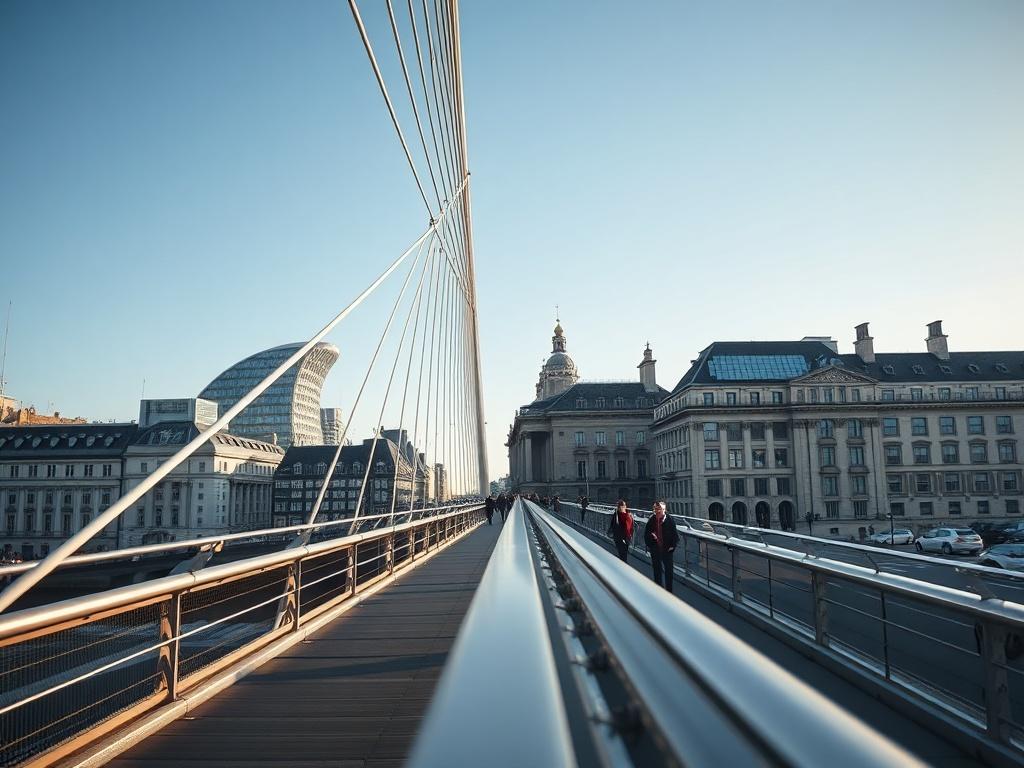
· Millennium Bridge (London): A modern suspension "blade of light" pedestrian bridge. Its initial design led to unexpected synchronous lateral vibration ("wobbly bridge") due to pedestrian-structure interaction. This necessitated retrofitting with 37 viscous dampers and tuned mass dampers—a landmark case in dynamic analysis and human-induced vibration studies.
· Queen Elizabeth II Bridge (Dartford Crossing): A cable-stayed bridge over the Thames. Its design had to account for high traffic loads, ship impact, and wind forces in an exposed estuary location. Finite Element Analysis (FEA) was crucial for modeling its complex cable-deck-pylon interaction.
· Proposed Projects: Concepts like the Gallions Reach Bridge or Garden Bridge involved extensive parametric design and wind tunnel testing to create visually striking yet functional structures in a dense urban setting.
· Europe:
· Millau Viaduct (France): The world's tallest bridge. Its design is a masterpiece of slenderness, using a multi-span cable-stayed system. Aerodynamic analysis was paramount to ensure stability against high winds in the Tarn Valley. Its execution involved launching the deck from both ends using advanced incremental launching techniques.
· Øresund Bridge (Denmark/Sweden): A combined rail-and-road cable-stayed bridge that transitions into a tunnel. Its design solved the dual challenge of maintaining navigation clearance for ships and avoiding interference with Kastrup Airport's flight path. Geotechnical analysis for the artificial peninsula and tunnel was monumental.
· Humber Bridge (UK): Once the world's longest suspension span. Its design pioneered the use of aerodynamic box girders for the deck, requiring extensive wind analysis to prevent flutter.
Analysis & Engineering Core:
· Structural Analysis: Advanced FEA software (e.g., ANSYS, ABAQUS, SOFiSTiK) models complex load distributions, material non-linearity, and dynamic responses.
· Geotechnical & Seismic Analysis: European projects, especially in the south, require detailed seismic hazard analysis. Soil-structure interaction for deep foundations (piles, caissons) in riverbeds is critical.
· Wind Engineering: Computational Fluid Dynamics (CFD) and physical wind tunnel testing on section models and full aeroelastic models are standard to mitigate flutter, vortex shedding, and galloping.
· Fatigue & Durability Analysis: Especially for bridges in harsh marine environments (e.g., North Sea), analyzing corrosion and fatigue in welds and cables under millions of load cycles is essential for a 100+ year design life.
· Construction Stage Analysis: Simulating every step of erection (e.g., balanced cantilever for cable-stayed bridges) to ensure stability and alignment under temporary, often critical, conditions.
Execution & Challenges:
· Off-Site Prefabrication: Massive steel or concrete segments are fabricated in controlled yards, transported by barge, and lifted into place using mega floating cranes (e.g., Svanen).
· Launching Techniques: Incremental launching (Viaduc de Millau) and balanced cantilever methods are common for avoiding disruption to waterways below.
· Environmental & Regulatory Hurdles: Stringent EU and national regulations on habitat disruption, water quality, and visual impact require extensive Environmental Impact Assessments (EIAs). In London, protecting historic views (e.g., St. Paul's Cathedral) is a major constraint.
· Stakeholder Management: Coordinating with navigation authorities (Port of London), rail networks, utilities, and the public in dense cities like London is a project in itself.
Part 2: Mega Dam Projects (Primarily European Context)
While new mega-dams are rare in Western Europe due to environmental concerns, existing ones and major upgrades/investments in pumped hydro storage are significant.
Design Philosophy & Key Examples:
· Grande Dixence Dam (Switzerland): A 285m high concrete gravity dam. Its design required analyzing creep and thermal stresses in massive concrete pours and ensuring stability against glacial valley geology.
· Three Gorges Dam (Analysed in Europe, built in China): While not in Europe, its design and challenges (sedimentation, seismic risk, mass relocation) are studied extensively by European engineering firms and universities.
· Modern Focus - Pumped Hydro Storage (PHS): Europe is a leader in PHS (e.g., Dinorwig, UK; Nant de Drance, Switzerland). These are "battery dams" with complex underground machine halls, high-pressure penstocks, and reversible turbines. Their design is an intricate hydro-mechanical-electrical challenge.
Analysis & Engineering Core:
· Hydrological & Hydraulic Analysis: Modeling probable maximum flood (PMF) for spillway design and inflow design flood (IDF) using advanced rainfall-runoff models.
· Geotechnical & Geological Analysis: This is paramount. Analyzing rock mass quality, fault lines, and foundation stability. Grouting curtains are designed to control seepage under the dam.
· Seismic Analysis: Dams are lifeline structures. Dynamic FEA analyzes the dam-reservoir-foundation interaction during an earthquake, assessing risks of liquefaction, cracking, or overtopping.
· Concrete & Material Technology: For massive gravity dams, thermal analysis to control heat of hydration and prevent cracking is critical. Roller-Compacted Concrete (RCC) is a modern technique for faster construction.
· Sedimentation & Environmental Flow Analysis: Modeling long-term reservoir siltation and designing minimum environmental flows to sustain downstream ecosystems.
Execution & Challenges:
· River Diversion: A critical first phase, often involving constructing cofferdams and tunnels to bypass the river during construction.
· Mass Concrete Placement: Requires industrial-scale batching plants, cooling systems, and continuous placement schedules.
· Grouting and Foundation Treatment: Extensive work to seal the rock foundation and create a watertight barrier.
· Environmental Opposition: Mega dams face significant opposition due to habitat flooding, community displacement, and river fragmentation. Sustainability assessments and fish pass designs (like sophisticated fish ladders) are now mandatory.
· Risk Management: The catastrophic consequences of failure drive an ultra-conservative risk-based design philosophy, with extensive instrumentation and monitoring during and after construction.
Common Threads in European Mega Projects:
1. Integrated Digital Delivery: Universal use of Building Information Modeling (BIM) for 3D coordination, clash detection, and lifecycle management.
2. Value Engineering & Procurement: Use of Public-Private Partnership (PPP) models (like PFI/PF2 in the UK) and Design-Build contracts to optimize cost and innovation.
3. Sustainability Mandate: Adherence to strict EU directives on the Water Framework Directive, Habitats Directive, and carbon footprint reduction, pushing innovation in low-carbon concrete and sustainable materials.
4. Legacy of Learning: Each project builds on a deep heritage of engineering knowledge while pushing boundaries, ensuring that European bridge and dam engineering remains at the global forefront.
-
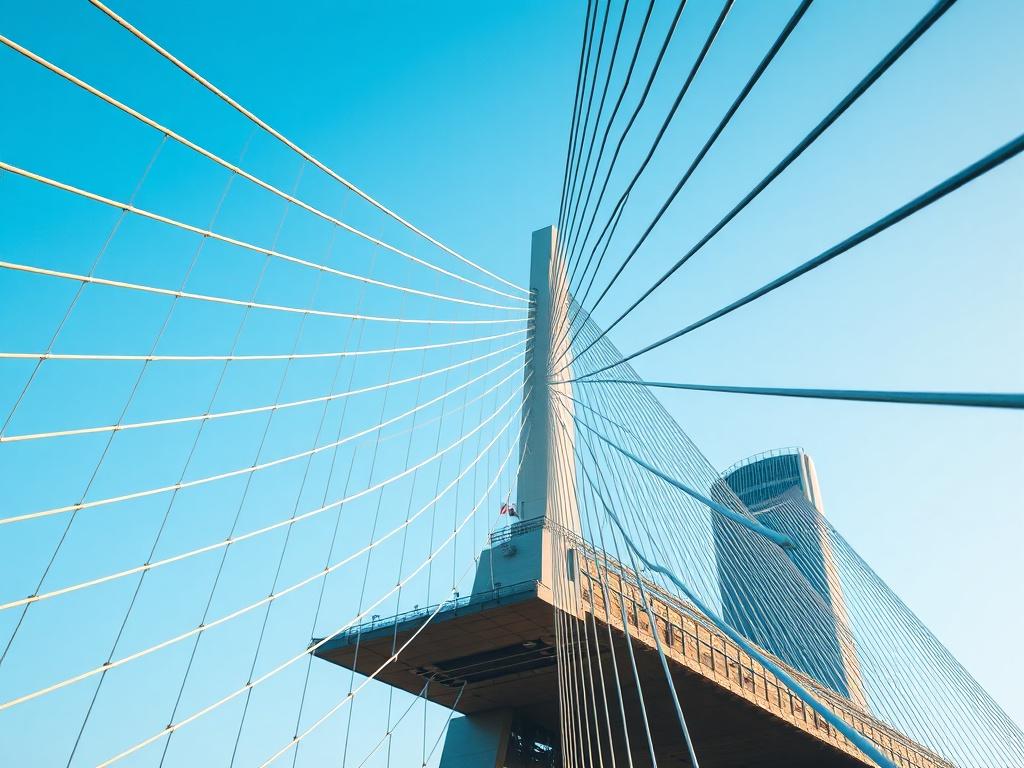
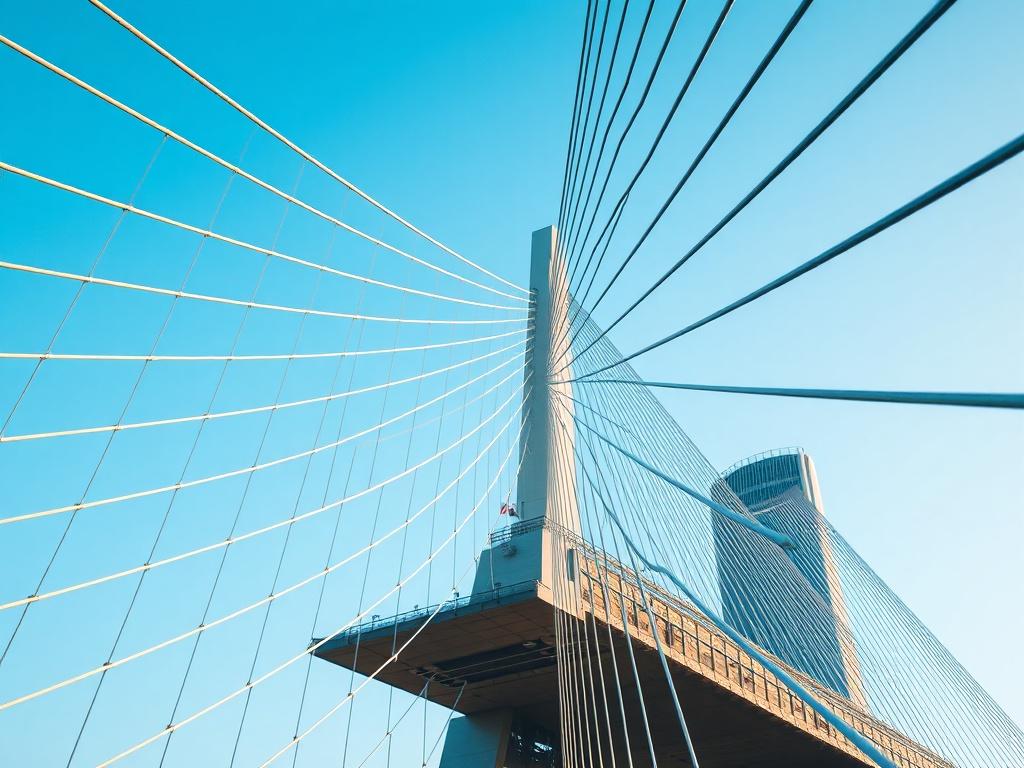 Designed a state-of-the-art suspension bridge for urban developmentEnhanced urban connectivity with a stunning bridge design.
 -
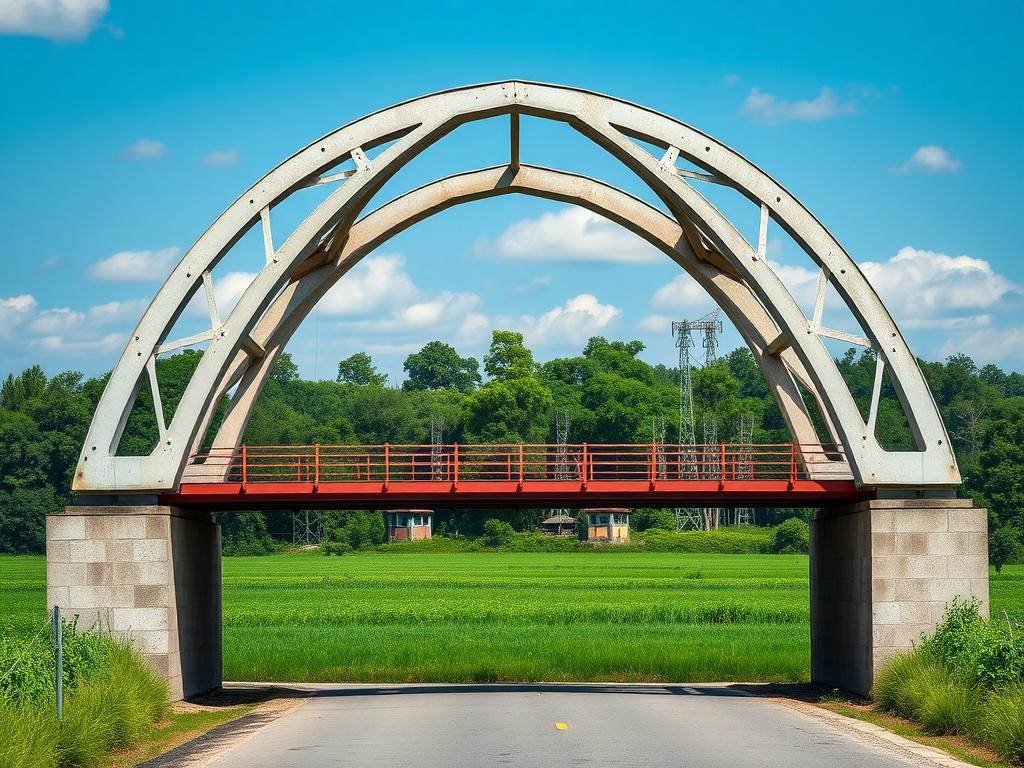
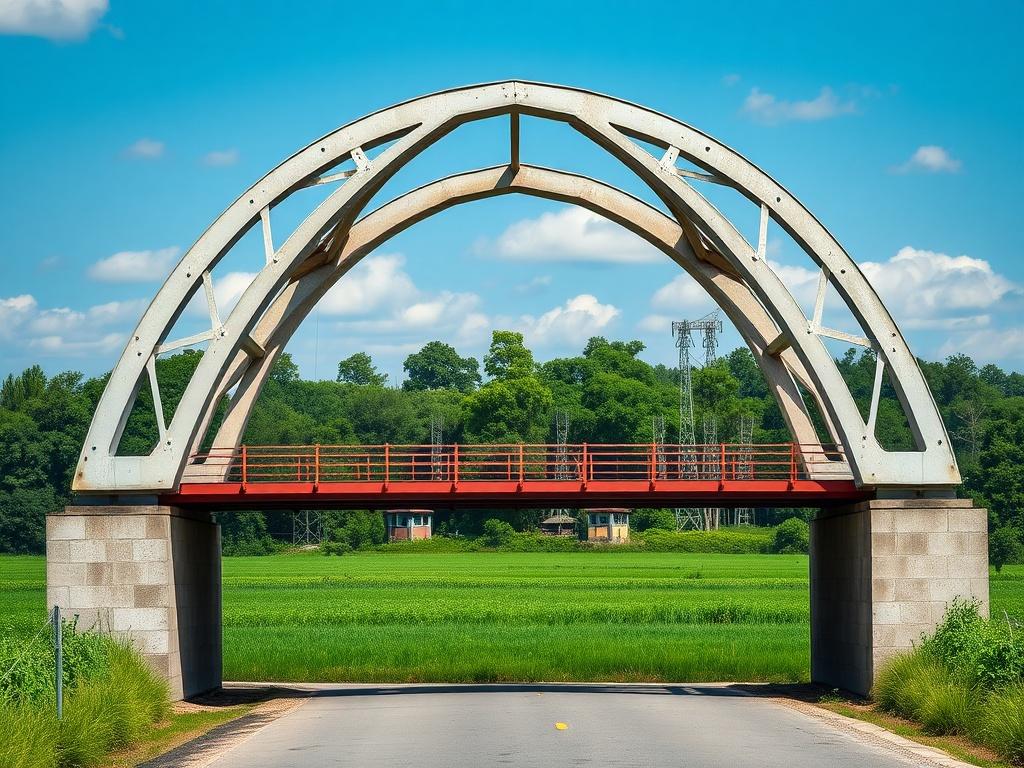 Engineered a high-strength arch bridge for rural areaRevitalized rural area with a robust arch bridge.
 -
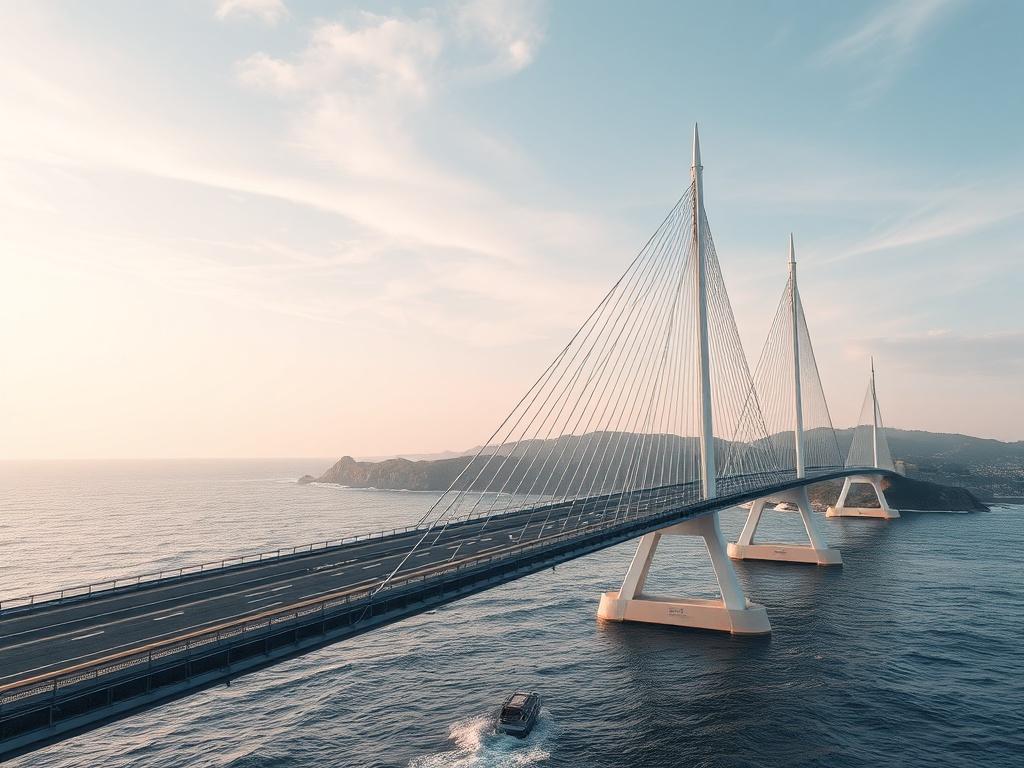
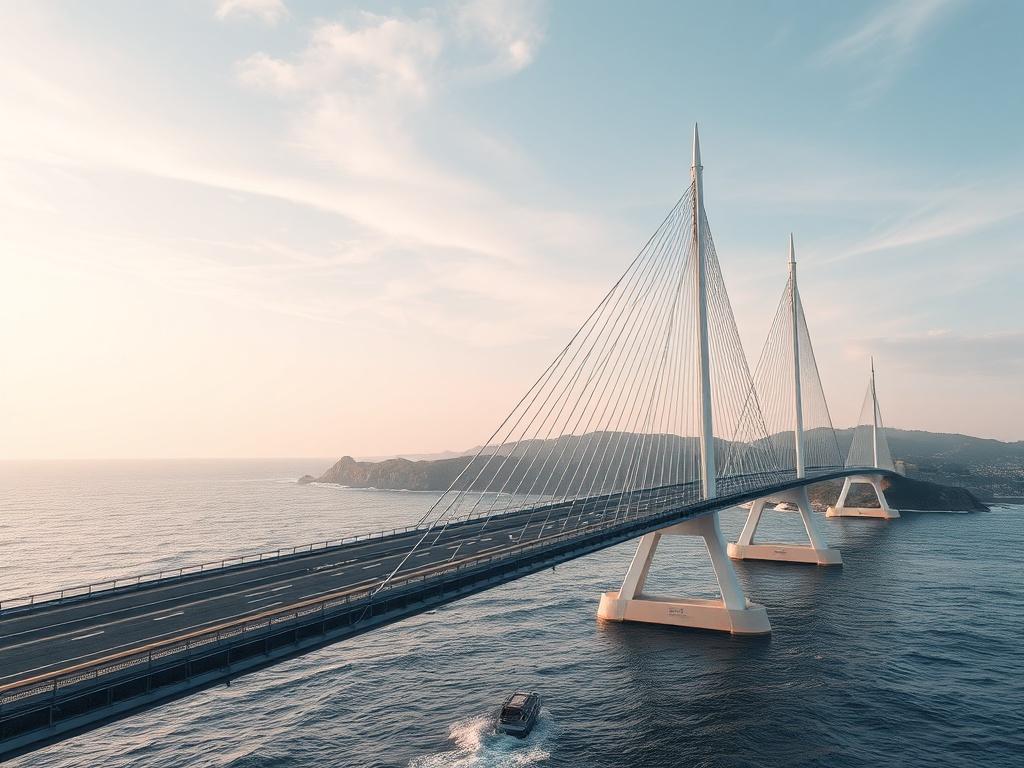 Created an innovative cable-stayed bridge for coastal cityTransformed coastal transport with an innovative bridge design.
 -
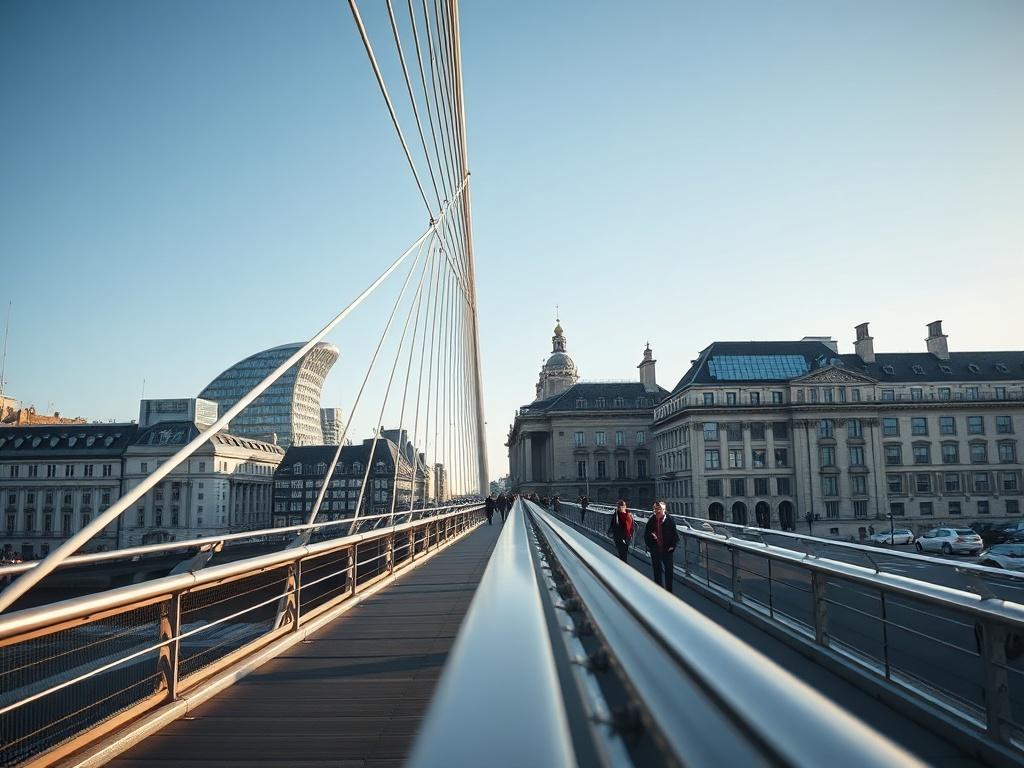 Design, analysis, and execution of mega engineering projects: bridges and dams in london and europeExecuted mega bridge and dam projects using advanced engineering techniques.